




What Does Car Insurance Cover in an Accident: The Complete Protection Breakdown You Need to Know
The open road is a wonderful place to be. The wind in your hair and freedom at every corner. Yet, it can sometimes be a dangerous place too, and even if you do everything you’re supposed to, accidents can happen. While we hope that you never have to deal with this type of problem, even small bumps can cause problems. The good news is that if you have comprehensive auto insurance, many of your troubles will be fixed pretty quickly.
But there’s one question many people ask – What does car insurance cover in an accident?
No, it’s not a case of being morbid, it’s about being informed and sensible from the start. At Magnum Insurance, we understand that insurance as a whole can be a pretty confusing subject sometimes. There are so many ifs, buts, and maybes that it’s easy to get your head in a spin. But don’t worry! We’re here to simplify it all and help you find the best and most comprehensive coverage for your needs. Let’s dive in and learn more.
Table of Contents
- TL;DR
- Understanding Your Car Insurance Coverage Types
- What to Do After a Car Accident Happens
- Decoding Coverage Limits and Deductibles
- How Magnum Insurance Makes Accident Claims Easier
TL;DR
- Liability coverage protects you financially when you cause damage to others, including bodily injury and property damage.
- Physical damage protection (collision and comprehensive) covers repairs to your own vehicle from accidents and other incidents.
- Personal protection coverage ensures you and your passengers receive medical care regardless of who’s at fault.
- Taking immediate safety steps and proper documentation after an accident protects your claim and ensures smooth processing.
- Coverage limits determine maximum payouts while deductibles affect your out-of-pocket costs.
Understanding Your Car Insurance Coverage Types
So, what does car insurance cover in an accident? Well, it depends on the type of coverage you have. That’s why it’s so important to ask this question, because that way, you can make sure that you have the right plan and you won’t end up with a huge bill from either the garage or the hospital.
Now, from the start, let’s say that we’re not tempting fate here! We hope that you never have to deal with an accident situation on the road, but insurance is all about protecting yourself against the maybes in life. That’s what comprehensive insurance is designed to do, and it gives you peace of mind to go about your days without extra worry. If you do happen to be in an auto accident, no matter how small or large, quality coverage will be something you can fall back on.
Let’s start by taking a closer look at the different types of auto insurance out there.
Liability Coverage: Your Financial Shield When You’re at Fault
Many people confuse auto insurance and accident insurance in this type of situation, and it’s completely understandable. Yet, accident insurance covers you for different types of accidents, such as slips, trips, and falls, burns, or bicycle accidents. As you can tell, it’s not necessarily related to your vehicle. On the other hand, auto insurance is comprehensive cover for auto accidents both from a medical and fixing your car point of view.
With that out of the way, let’s talk about liability coverage. This is the basic level of your auto insurance policy and it protects your finances if you cause an accident on the road for whatever reason – it happens, right? It handles the cost of any damage or injuries that others suffer, so those expenses don’t have to come directly from you. So, it will cover the other person’s medical bills, lost wages, and damage to their vehicle.
You’ll find that most states require this coverage as a baseline, because it means that auto accident victims receive compensation when things aren’t their fault. It also helps you sleep better at night because you won’t have to pay it out of your own pocket. Let’s be honest, if you cause an accident, you’re probably already feeling bad enough – you don’t want to have a huge bill on top of everything else. That’s what liability insurance is designed to help with.
Legal Defense: Your Courtroom Protection
Liability insurance also covers you in the event of a lawsuit. So, if another person sues you because of an accident you cause, this insurance will cover your legal defense costs. It gives you major peace of mind, because legal costs can build up very quickly, and sometimes go over and above the actual damages caused in the accident. So, if you didn’t have this coverage, you’d have to pay it all yourself.
Physical Damage Protection: Safeguarding Your Own Vehicle
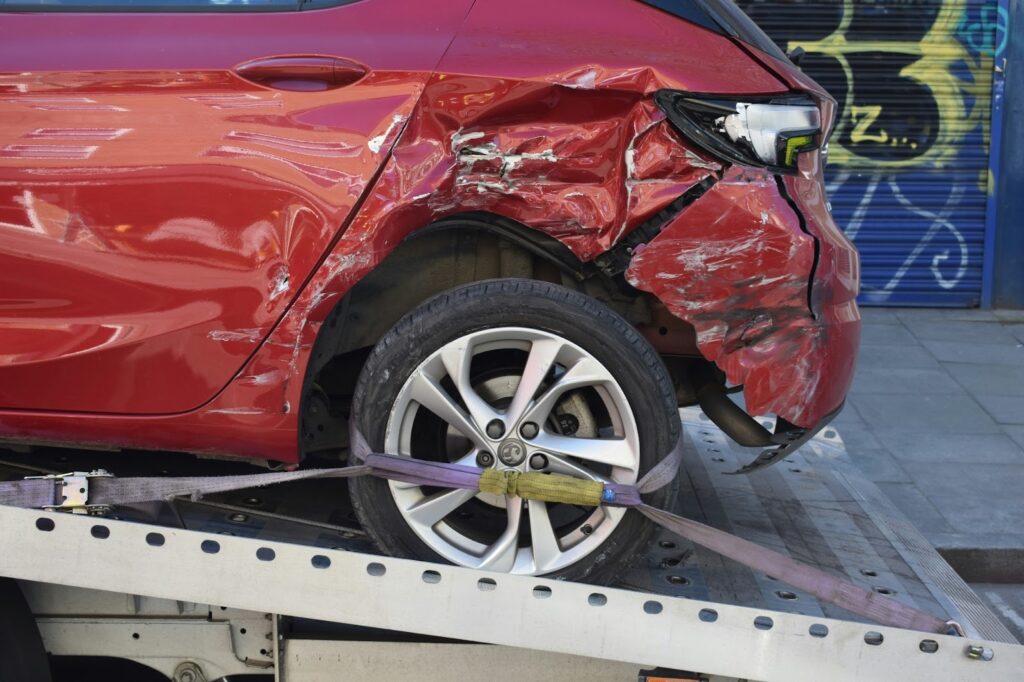
Liability covers other people, but your comprehensive coverage also covers damage to you and your own vehicle. This is called physical damage protection, and it means that you can either repair or replace your car if it’s damaged, no matter whether the accident was your fault or someone else’s.
At Magnum Insurance, we understand that all of this might sound a bit overwhelming. Yet, it’s important to know what part covers what, because that way, you know you have everything you need. This is something we can help you with, while also working to find the most cost-effective coverage for your specific situation. After all, sometimes accidents do happen, and you want to know that you’re covered no matter what. So, whether you’re looking for car insurance cover, you’re seeking home insurance, or anything else in-between, we’re here for you.
To break it down further, the table below talks about what type of coverage covers what situation and when it applies.
| Coverage Type | What It Covers | When It Applies | Deductible Required |
| Collision | Vehicle damage from collisions with other cars, objects, or rollovers | Regardless of fault | Yes |
| Comprehensive | Theft, vandalism, fire, flood, hail, falling objects, animal strikes | Non-collision events | Yes |
| Liability | Damage/injury to others when you’re at fault | Only when you cause the accident | No |
Collision Coverage: When Your Car Hits Something (Or Gets Hit)
Next, let’s talk about collision coverage. If you collide with another car, a random object, or your car rolls over, this insurance covers any repairs or even replacement. It doesn’t matter who was at fault, the coverage simply kicks in once you’ve paid the deductible, and it’s based on your vehicle’s cash value at the time the accident happened.
So, for instance, if you’re waiting at an intersection and another car hits you, or you accidentally rear-end another car, this insurance will cover you.
Comprehensive Coverage: Protection Beyond Collisions
Finally, we have comprehensive coverage. This protects your car from events that don’t come from a collision, and are totally out of your control. For instance, if your car is stolen, is involved in a fire or flood, if it’s vandalized, or it’s affected by hail, a falling object, or even an animal.
You can probably imagine that the biggest chunk of claims on this type of insurance comes from weather-related incidents, and hail is a major problem. But you don’t need to worry when you have this type of coverage in place because there’s no need for you to determine who’s fault it is – it automatically kicks in.
Personal Protection Coverage: Taking Care of You and Your Passengers
From time to time, you’ll probably have other people in your car with you, and you’ll want to know that they’re protected too. The good news is that if you have personal protection coverage, they are. This means that if you or your passengers are involved in an accident (whether it’s your fault or someone else’s), they’ll receive any medical care they need as well as financial support after the accident.
The reason for the financial support part is that these types of auto accidents can often take time to go through the claims system. It can be tricky to work out who is actually to blame in some cases, but in the meantime, you and your passengers may be losing wages if you can’t work. Yet, with this type of coverage, you don’t have to worry.
Personal Injury Protection (PIP): Comprehensive Care for Everyone in Your Car
You might have heard of PIP before, or Personal Injury Protection, to give it its full name. This is a broader type of coverage that connects to medical expenses, lost wages, and any other services you or your passengers need to use after the accident. Again, it’s not based on fault, and you won’t have to wait to find out the result of the claim before receiving any benefits. It can also cover other things that regular health insurance might not, such as childcare or rehabilitation services.
What to Do After a Car Accident Happens

Do you know what to do after a car accident? Don’t worry if you’re not sure because we’re about to cover all the key things you need to know. But it’s important to have this information because it’s the difference between a smooth claim and a bumpy one. Of course, the first thing you should do is ensure that you and everyone else around you is okay, and to get the medical care you need. But from an insurance point of view, what else do you need to know?
Immediate Safety and Documentation: Your First Priority Actions
The second an auto accident happens, shock sets in. And that’s normal. Even if it’s a small bump, it’s still a big shock to the system, so give yourself a second to breathe! Your adrenaline will probably be pumping and it’s a super-emotional time, but having the right information about what to do after a car accident will help you calm down and feel in control.
The checklist below breaks it down into simple steps to follow.
Post-Accident Safety Checklist:
- Check for injuries (yourself and passengers)
- Move to safety if possible
- Turn on hazard lights
- Call 911 if needed
- Set up warning devices (flares/triangles)
- Stay at the scene until appropriate
- Avoid admitting fault
- Document everything thoroughly
Ensuring Safety and Getting Help When You Need It
Top of your priority list should be safety. That’s the number one thing to focus on, not only for others but also for yourself. So, look around you and assess the situation. Do you need to move to a safer place? What help do you need? If you need to call an ambulance, do that immediately, before you start to think about anything else.
Remember, safety comes first.
Check yourself and those in your car for any injuries. Sometimes, injuries can feel like nothing at all at first, but it can be adrenaline simply masking the pain. So, don’t assume that everyone is fine just because they’re awake and talking. It’s important to take your time and listen to your body carefully.
If your vehicle isn’t in a particularly safe spot, is it possible to move it? If you can, turn on your hazard lights so other drivers know what’s going on. Use reflective triangles if you have them. If you can’t move your vehicle, don’t worry; Stay calm and focus on moving yourself and other people to safety instead.
You might wonder whether you should call 911 if the accident is minor, but it’s still a good idea to do so, simply so you can get a police report. This can help you when making a claim. Of course, if your vehicle is blocking the road or anyone is injured, 911 should be your first port of call.
Finally, only leave the scene of the accident until the police arrive or you’ve swapped information with the other party. If you move beforehand, it can, in some cases, look like a hit-and-run. That’s not something you need to deal with, so cover all bases before you leave.
Remember, it can be hard to think clearly when you’ve been involved in an accident, even a really small one. Yet, having this information memorized will help you in those high pressure moments. Not only will it mean your claim moves a lot more smoothly, but more importantly, you’ll ensure you and everyone around you remains safe and gets any care they need.
Gathering Information That Protects Your Claim
Another thing on the ‘what to do after a car accident’ list is to gather the necessary documentation. This is the same process for any type of claim, be it on boat insurance or anything related to your health. Ultimately, it is the foundation of your claim and it will protect you from any disputes over who was to blame further down the line. In these emotional moments, it’s easy to block out important details, and you won’t remember them further down the line. If you do it now, everything is fresh.
So, what information do you need to exchange with the other driver? First, focus on swapping your full names, telephone numbers, driver’s license numbers, the names of your insurance companies and your policy numbers. From there, swap your vehicle information, including the male model, year, and the VIN (Vehicle Identification Number).
After that, remember to take photos of everything as clearly as you can. Take photos of any damage from several angles, as well as the general accident scene, traffic signals, and any street signs. Take photos of license plates, and how the vehicles are positioned after the collision. If there’s anything specific that caused or at least contributed to the accident, such as any slippery substances on the road, or bad weather, take photos of that too.
And don’t forget witnesses if there are any! In that case, get their name and phone number, as well as a short statement about what they saw. Finally, write down your own account of what happened while it’s fresh in your mind.
Insurance Claim Process: Navigating Your Path to Resolution
Once you’ve got as much information as possible, it’s time to file your claim. Many people assume that filing a claim is complicated, and that it may not fall in your favor, but that’s not the case. Instead, it’s about being systematic and having a plan. If you take your time, make sure you have everything you need, and make sure you know the claims process beforehand, everything will be easier. Many insurance companies also allow you to file a claim online these days, and you can track progress on an app.
Reporting Your Accident: Getting the Process Started Right
So, what’s the first thing to do? Well, first you need to contact your insurance company as quickly as possible – certainly within 24 hours if you can. You’ll probably find that your insurer has a 24/7 claims hotline – most do, or the mobile app we just talked about. The faster you report the incident, the easier it will be because you’re showing good faith in keeping evidence as fresh as possible.
Now, don’t rush with your first report. Take a moment to breathe and make sure you’ve got everything covered and it’s all accurate. This is where the information you gathered at the scene of the accident is important, and always remember to be honest. If you really don’t know something, don’t be afraid to say so. Honesty is always better than assumptions, and the latter is more likely to harm your claim than help it.
Once your report is filed, ask your claims representative what happens next and what documentation they need. This varies depending on the type of accident, so asking from the source will help you get everything quickly and prevent back and forths that slow down the entire process. And finally, don’t forget to get your claims number and contact number of your assigned adjuster (the person who assesses your claim).
Understanding Settlements: Getting What You Deserve
Once everything has been assessed, you’ll be offered a settlement. This is what your insurance company believes you’re owed based on their investigation and your policy terms.
Of course, this is going to vary wildly depending on the type of auto accident, but we can talk about some averages and understand how settlements are arrived at. That way, you’ll understand whether what you’re offered is fair, or whether you need to dispute it.
Generally, settlements for vehicle damage are based on the actual cash value of your car. Your insurer will arrive at this number by taking into account your car’s age, its mileage before the accident, and its condition. However, if the repair costs go over the value of the car, the insurer will declare a total loss instead, and you’ll receive the actual cash value, minus your deductible. Remember, your deductible is the amount you pay in a claim before your coverage kicks in.
If we’re talking about injury settlement, insurers take into account things like your medical expenses, and any lost wages. They’ll also assess if you have any future medical needs as a result of the accident, and the level of pain and suffering involved. It’s not possible to give a general amount here, as every situation is different.
However, if you feel that what you’re offered isn’t sufficient, you can dispute it. When that happens, you can ask for an independent appraisal for your vehicle damage, or get a second opinion from another doctor. You can also provide your insurer with any additional documentation you’ve gathered that can support your dispute claim.
Decoding Coverage Limits and Deductibles
The amount you’re offered during a claim heavily depends on the level of insurance coverage your policy provides and the limits you selected. That’s where Magnum Insurance can step in and help.
It’s very easy to forget about the ‘what if’ part of insurance – many people just rush to get coverage and assume that’s it. Yet, you need to make sure that you’ve got the right level of protection and that you have sufficient limits. If not, you’ll probably find that your settlement amount is far too low to help you at all. That’s why taking the time to find the right policy is so important, and at Magnum insurance, we have more than 40 years of experience in helping people just like you. We can look at your options and spot the best route forward, while also offering flexible payment methods too. It doesn’t matter if it’s auto insurance or life insurance, we’ve got the know-how to help.
Coverage Limits: Understanding Your Protection Boundaries
Okay, the first thing to talk about is coverage limits. These are important. Basically, they tell you the maximum amount the insurer will pay out for different claims. They won’t go over that amount no matter how much you dispute your settlement. So, it’s important to make sure that you choose suitable coverage limits that carefully balance protection and premium costs.
The first step is to look carefully at your personal situation. Remember, insurance is so individual and it has to reflect your situation entirely. If you have a very expensive car, you’ll need higher limits to make sure you receive enough compensation to fix or replace it. Of course, that means your premiums will be higher every month, but it’s a trade off you need to balance carefully. Remember, at Magnum Insurance, we can help you understand your limits and find a policy that gives you what you need without breaking the bank.
It might also be that you need additional or separate insurance for other situations. For instance, maybe you need rideshare insurance. It’s vital to sit down and think about everything you need so we can help you find the policy that ticks every box for your specific situation.
Deductible Considerations: Balancing Cost and Risk
We’ve touched upon deductibles a little so far, but let’s talk about them more now. Basically, a deductible is the amount you’ll pay in a claim before your actual insurance coverage kicks in. You can opt for a high or low deductible, and it totally depends on your financial situation.
If you can afford to pay more for your premiums, you won’t have to pay as much as a deductible if you claim. However, if you’re a little short on cash, having a lower premium will probably mean that your deductible in the event of a claim will be higher. Again, don’t worry; at Magnum Insurance, we can help you find the right balance so you’re not out of pocket right now or in the event of a claim. The table below outlines a few situations so you can understand deductibles a little better.
| Deductible Amount | Typical Premium Savings | Break-Even Analysis | Best For |
| $250 | Baseline | N/A | Risk-averse drivers |
| $500 | 10-15% reduction | 2-3 years without claims | Moderate risk tolerance |
| $1,000 | 25-30% reduction | 3-4 years without claims | Higher savings, emergency fund |
| $2,500 | 40-50% reduction | 5+ years without claims | Experienced drivers, multiple vehicles |
How Magnum Insurance Makes Accident Claims Easier
Dealing with an insurance claim after an accident can be upsetting and overwhelming. You’ve just experienced a traumatic experience, no matter whether it was small or large, so claims shouldn’t have to add to your stress. That’s why Magnum Insurance’s streamlined claims process makes everything as simple and worry-free as possible. Instead, we’d rather you focus on your recovery, while we handle everything else.
Our mobile app and online platform are easy to use and allow you to report your claim straightaway. You can also upload photos from the accident scene, and track your claim in real-time. That way, you don’t have to wonder what’s going on, you can always check and find out – total transparency!
You might have some questions along the way, and that’s totally fine too! Our dedicated, friendly agents understand that claims can be stressful, and they’re ready and waiting for your call. They’ll help you understand what’s happening in that moment and what you can expect next.
Ultimately, we don’t believe that insurance of any kind should be difficult, be it auto insurance or motorcycle insurance. Instead, we aim to make everything as simple and as straightforward as possible.
Final Thoughts
An auto accident can be upsetting and overwhelming, even if it’s only a small bump, so you don’t need extra complications. That’s why knowing what car insurance covers in an accident is so important. That way, you can make strong decisions and you don’t have to wonder about ‘what ifs.’
At Magnum Insurance, we’re dedicated to helping you find the best policy for your needs right from the start. That way, you can rest assured that if an accident does happen (and we hope it doesn’t), that you have the cover you need. And insurance can be complicated, can’t it? It’s not something we’re born knowing about, and it’s perfectly normal if you have questions. Don’t worry; we’re here to help. We make choosing a policy and claiming as easy as A,B,C.
Taking some time from the start to know that you have adequate coverage limits and suitable deductibles is a load off your mind. Knowing that if you need to claim, the process isn’t unnecessarily difficult, helps you feel better if an accident does happen. Those are boxes we’re more than happy to tick. So, if you’re ready to explore your options, give Magnum Insurance a call today. Let’s get started on the road to reassurance!




 Call us
  Commercial Lead Form